Your people left. You’re going back.
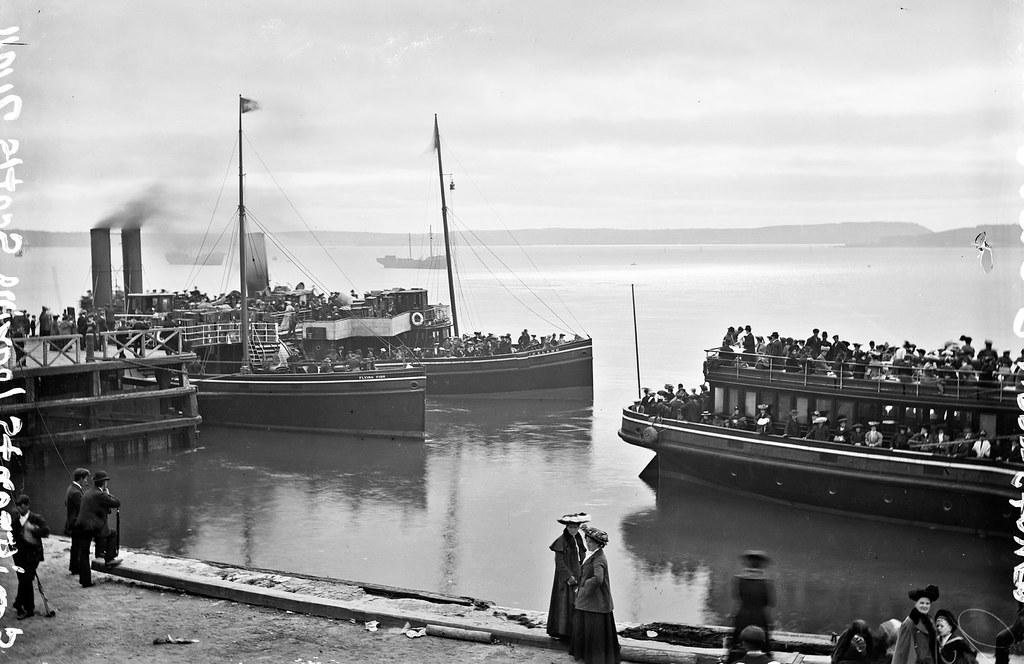
Between 1845 and 1920, millions left Ireland through ports like Queenstown. Most never saw home again. Their great-grandchildren are my favourite guests, because this trip means something different to them.
Here’s what I do that a genealogy website can’t: I put you in the place. The records matter — parish registers, Griffith’s Valuation, the townland maps — and I work with local historians who read them for a living. But the day that changes people is the day we drive to the townland, knock on a door, and you stand where your great-grandmother last stood in Ireland.
Sometimes we find cousins. Sometimes we find a gable wall in a sheep field. Both are worth the journey, and I’ll be straight with you about what’s likely before you spend a single dollar travelling to find it.
How a roots trip comes together
- 1. You give me the surname and whatever you know — a county, a ship, a story.
- 2. I do the groundwork before you fly: records, local contacts, the right graveyard rather than the famous one.
- 3. We build the trip around the homecoming day, with the rest of Ireland wrapped around it.
Start with the surname
The planner has a roots section — tell me what you know, even if it’s only a name.
Plan a roots trip